November 16, 2026
What to Look For When Buying Secondhand Furniture in Fayetteville
By @betterroomliving
Start With a Clear Plan
Walking into a warehouse full of pre-owned furniture can feel overwhelming. The range of styles, the mix of materials, and the sheer number of pieces make it tempting to grab something that just looks okay. But a little preparation goes a long way. Before you head out to browse used furniture in Fayetteville, take a few minutes to measure the room where the piece will go. Note the width of doorways, hallways, and any tight corners the item must pass through. Knowing these numbers keeps you from falling in love with a sofa that cannot fit through the front door. It also saves you the hassle of arranging returns or reselling something that looked perfect on the warehouse floor.
Bring a tape measure, a notepad, and a small flashlight. These simple tools help you inspect a piece thoroughly without relying on guesswork. A flashlight reveals scratches, cracks, and stains that overhead lighting can hide. A tape measure confirms whether that dresser will actually fit in the alcove you have in mind. And a notepad lets you jot down details about each piece you consider, so you can compare options later without relying on memory alone.
Check the Bones: Solid Wood vs. Particle Board
One of the first things to examine is what the frame is made of. Solid wood furniture has been the standard for durability for generations. It can be sanded, refinished, and repaired, and it often lasts through decades of use. Particle board, on the other hand, is made from compressed wood fibers and glue. It is cheaper to produce, but it swells when it gets wet, chips easily, and is nearly impossible to repair once damaged. Look at the inside of drawers, the back of the piece, and the underside of shelves. If you see a printed wood grain pattern that repeats, or if the edges show a thin veneer over a lighter core, you are likely looking at particle board or MDF. Solid wood will show end grain, dovetail joints, and natural variation in the grain.
That said, not all particle board furniture is worthless. A well-constructed piece with a sturdy frame and reinforced corners can still serve you well for a few years. The key is knowing what you are buying so you can set realistic expectations. If you plan to keep the piece for a long time or refinish it, solid wood is almost always the better choice. If you need something temporary or budget-friendly, a well-made piece from quality plywood or MDF can still give you good service.
Inspect the Upholstery for Hidden Problems
Upholstered furniture demands a different kind of inspection. Start by sitting on the piece. Does it feel stable? Do the cushions spring back, or do they sag? Press down on the seat and backrest to feel for broken springs or a soft spot where the padding has collapsed. Flip the cushions over and check the fabric on both sides for stains, tears, or fraying. Look at the seams and the piping along the edges. Loose threads or pulled stitches can worsen with use, and repairing them often costs more than the piece itself.
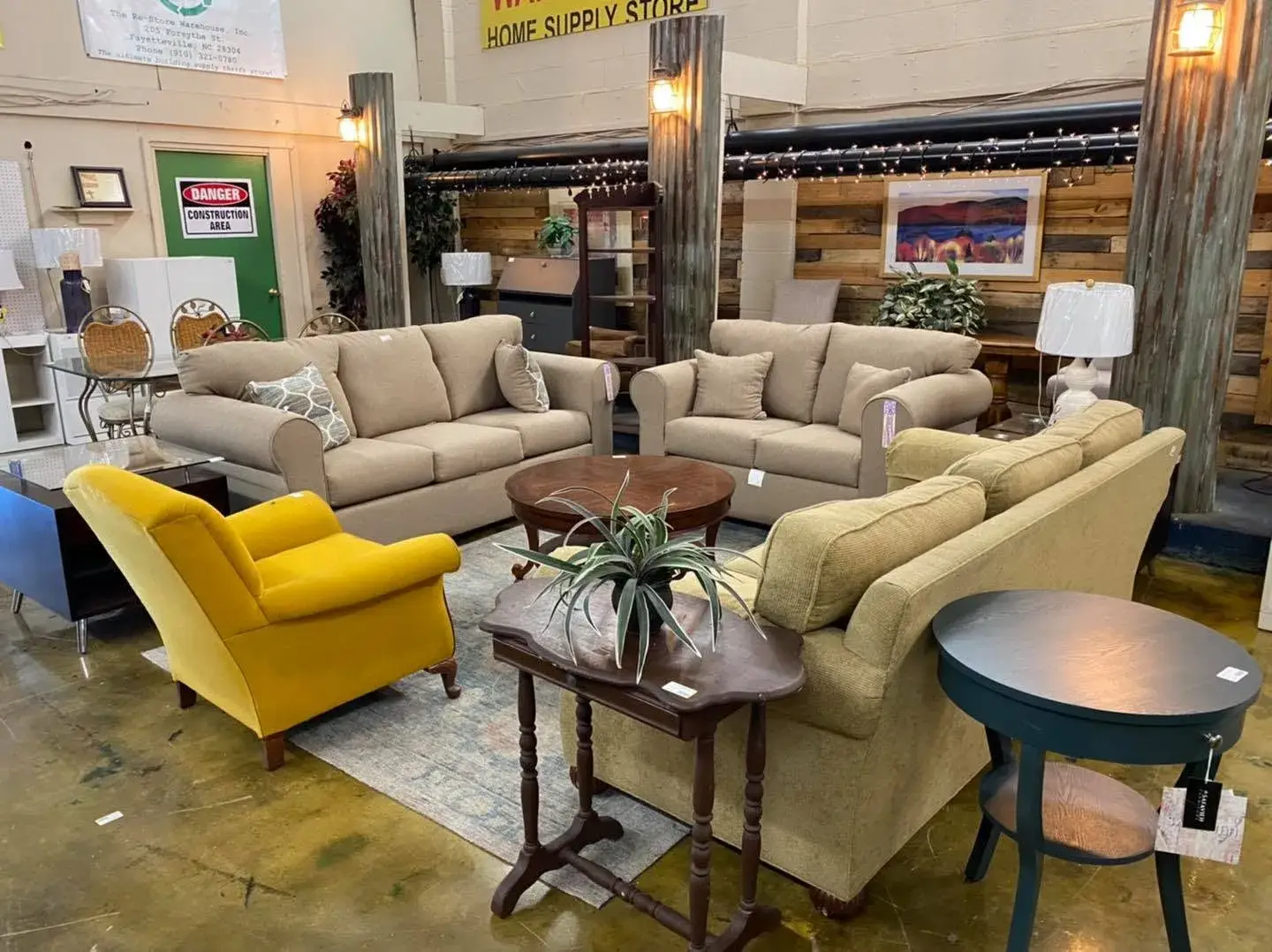
Smell is another important clue. Musty odors, pet smells, or cigarette smoke can be deeply embedded in the fabric and foam. While professional cleaning sometimes helps, it does not always remove those odors completely. If you have allergies or sensitivities, think twice about a piece that carries a strong smell. Also check the underside of the sofa or chair. Look at the dust cover, the webbing, and the staples. If the webbing is torn or the dust cover is hanging loose, the piece may have structural issues that are not obvious from the top.
Open Every Drawer and Door
A dresser or cabinet might look fine from the outside, but the real test is inside. Open each drawer fully and pull it straight out. Does it slide smoothly, or does it stick? Do the tracks look clean and aligned? Wood-on-wood drawers should have some lubrication, but they should not feel gritty or rough. Check the drawer bottoms. Many older pieces have a thin panel that can warp or fall out. If the bottom is loose, it can be glued back in place, but a completely missing or rotted bottom is a bigger repair. Look at the joints where the sides meet the front and back. Dovetail joints, where interlocking tabs hold the pieces together, are a sign of quality. Simple butt joints, where the pieces are just glued and nailed, are less durable.
Doors on cabinets and armoires need the same attention. Open and close each door several times. Do the hinges feel tight? Do the doors hang level, or do they rub against the frame? Magnetic catches and spring-loaded latches can wear out, but they are easy to replace. Warped doors are a bigger issue. A door that does not close evenly may need to be planed or replaced, and that is often not worth the cost on a secondhand piece. Also check the back of the piece. A loose or missing back panel can make the entire frame wobble. Look for screws or nails that have pulled out, and see if the panel is just stapled in place or properly fastened.
Look for Structural Damage, Not Surface Wear
It helps to separate cosmetic flaws from real problems. A few scratches, a small chip in the veneer, or a faded spot on the finish are things you can live with or fix yourself. Structural damage is different. Check the legs on chairs and tables. Are they all present and solid? A wobbly leg can sometimes be tightened, but a cracked leg or a joint that has split needs professional repair. On tables, check the apron (the frame under the top) for cracks or loose joints. On sofas and chairs, look at the corners where the arms meet the back. Loose joints there often mean the frame is failing.
Pay attention to how the piece sits on the floor. Place it on a flat surface and see if it rocks. Rocking is usually a sign that the frame is twisted or one leg is shorter than the others. A slight wobble can be fixed with a furniture leveler or a felt pad, but a major twist indicates the piece was stored poorly or damaged during a move. Also check for water damage. Look for dark stains, bubbling veneer, or soft spots in the wood. Water-damaged furniture is prone to rot and can attract mold, so it is best to avoid it unless you are prepared for a significant restoration project.
When you find a piece that passes these checks, you are looking at something that can give you solid service for years. Buying used lets you access quality furniture at lower prices than what you would pay for the same piece new. That is one of the main reasons people shop secondhand: they want good construction and classic design without paying retail markup.
Think About Delivery Access Before You Buy
You have found the perfect sofa, but now you have to get it home. This is where delivery access becomes a real concern. Measure the path from the warehouse door to your living room. Staircases, narrow hallways, and tight turns can make a piece impossible to move without damaging it or your walls. If the piece is large, ask the seller or the warehouse staff about their delivery options. Some places offer delivery for a fee, and they are used to navigating tricky access points. If you plan to haul the piece yourself, bring a friend, a dolly, and some moving blankets. Tilting a sofa or mattress on its side often fits through a door that seems too narrow, but you need to know the dimensions ahead of time.
Also think about the path the piece will take inside your home. Will it fit up the stairs? Can it turn the corner at the top of the landing? If you live in an apartment or a condo with an elevator, check the elevator dimensions. A piece that fits in the elevator might not fit through your apartment door. Taking these measurements before you buy saves you the disappointment of returning a piece you really wanted.
Bring It All Together
A thorough inspection does not take long, and it pays off in furniture that looks good and works well for years. Start with the fundamentals: solid construction, stable joints, smooth-moving drawers, and upholstery that is clean and free of major damage. Cosmetic flaws are negotiable, but structural problems are not. Always measure your space and your access routes before you commit. And remember that buying secondhand is a smart way to furnish your home with quality furniture at lower prices. With a little patience and a checklist like this one, you can find pieces that fit your style, your space, and your budget.
❧